Project:
Women’s House Without Barriers; Network of Managers for Justice and the Comprehensive Care Pathway
Date:
25/11/2025
Location:
Buenaventura – Bajo Baudó – Río Dagua
Status:
Completed
Objectives:
To strengthen the leadership capacity and rights advocacy skills of 50 rural women in Buenaventura by providing them with legal, psychosocial, and technological tools to overcome barriers to accessing justice and healthcare.
Specific Objectives
- Comprehensive Training:Provide technical training on care pathways, legal frameworks (Law 1257 of 2008), and psychological first aid.
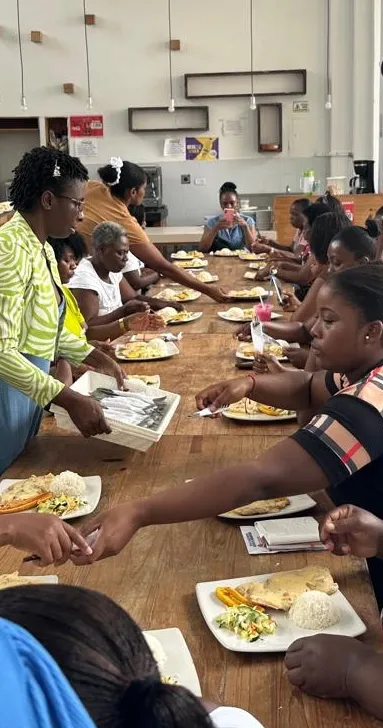
- Institutional Collaboration:Create spaces for direct dialogue (Institutional Fair and Guided Tours) between justice/health authorities and rural leaders.
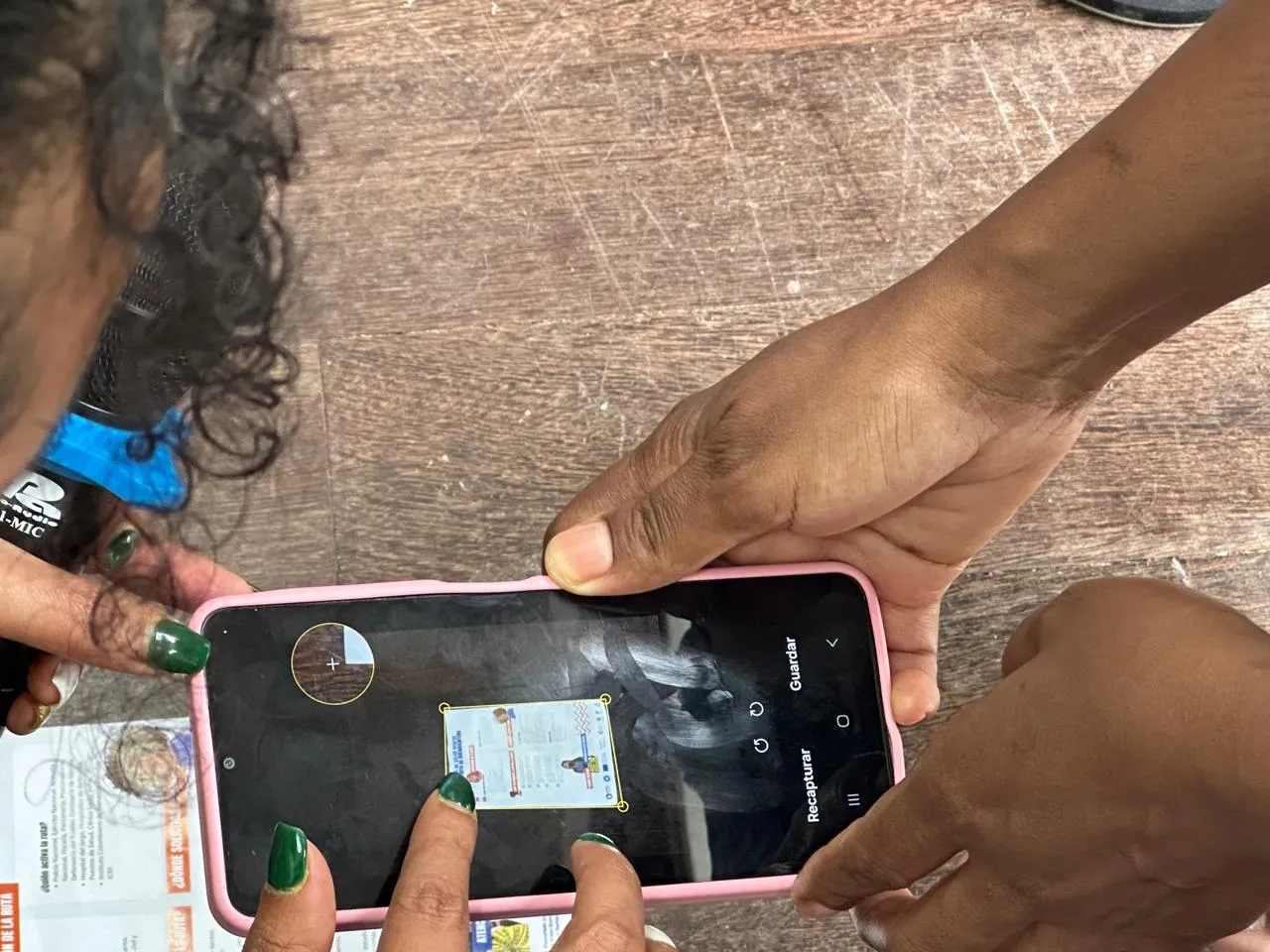
- Information Systematization:Implement digital tools (GMB Format) so that community managers can effectively register, map, and refer cases from their territories.
- Community Empowerment:Promote the recognition of community managers as points of reference for guidance and support in their respective watersheds and rural communities.
Description:
Supported by the Colombian Ministry of Justice and Law.
This project arose as a strategic response to the geographic, institutional, and social barriers faced by women in rural areas of Buenaventura. Through the creation and training of a network of 50 Rural Justice Promoters, the initiative seeks to establish an effective bridge between the most remote communities and the State’s institutional services in the areas of justice and health, with a primary focus on the prevention and care of Gender-Based Violence (GBV).
Expected Results
- Consolidated Network: 50 certified rural women operating as Justice Managers in their territories.
- Clear Care Pathway: An operational guide and an updated, functional institutional directory for rural areas.
- Needs Mapping: Georeferenced identification of critical care points and the most frequent barriers to accessing health and justice.
- Reduction of the Institutional Gap: Greater presence and commitment from entities such as the Prosecutor’s Office, Police Stations, and Health Promoting Entities (EPS) in addressing rural cases thanks to the Network’s mediation.
- Visibility and Awareness: Raising awareness in the local community about the right to a life free from violence through educational materials and the Fair Institutional.
Strategic Allies
Success depends on an inter-institutional support network divided into four pillars:
- Justice and Reporting Pillar
We have the direct support of the Ministry of Justice and Law as the governing body. In the field, we work hand in hand with the Attorney General’s Office (CAV) for receiving reports, the Family Commissaries for issuing protection orders, and the Mixed Judges, who guarantee the legality of the processes in favor of the victims. - Protection and Human Rights Pillar
The monitoring and defense of the rights of our managers and their communities falls to the Ombudsman’s Office (Pacific Region) and the District Ombudsman’s Office of Buenaventura. Likewise, the ICBF joins as a key ally in the restoration of rights in cases where violence affects children and adolescents.Health and Social Welfare FocusTo ensure a comprehensive solution, we are working with the District Health Secretariat and local EPSs (Health Promoting Entities), seeking to expedite medical and psychological care. The Secretariat for Women and Gender and the Alliance for Solidarity contribute their experience in social support and political advocacy to protect the female population.Security, Academia, and Community Spaces Focus
Immediate security in the territory is reinforced by the National Police through its Purple Patrol, and the Buenaventura School Workshop Foundation becomes our physical location for meetings, training, and the large Institutional Fair (Service Offerings).
Beneficiary Population
Direct Beneficiaries
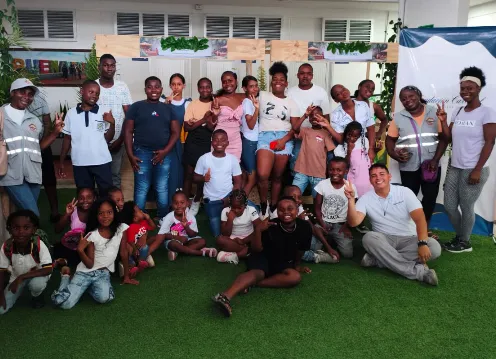
The heart of the project consists of 50 women leaders from the rural areas and watersheds of Buenaventura. These women, many of them survivors of violence or role models in their communities, are selected by their own community leaders to become Justice Advocates. They receive training, technical equipment, and institutional support to lead change in their territories.
Indirect Impact
The impact extends to the women and families of the rural communities served by the Network. By having a Community Manager in their own territory, hundreds of women who previously remained silent due to lack of resources or fear of displacement to urban centers now have a close guide to support them. We estimate that the network will indirectly facilitate access to rights for the entire female population of the prioritized watersheds.
Components
Training and Empowerment
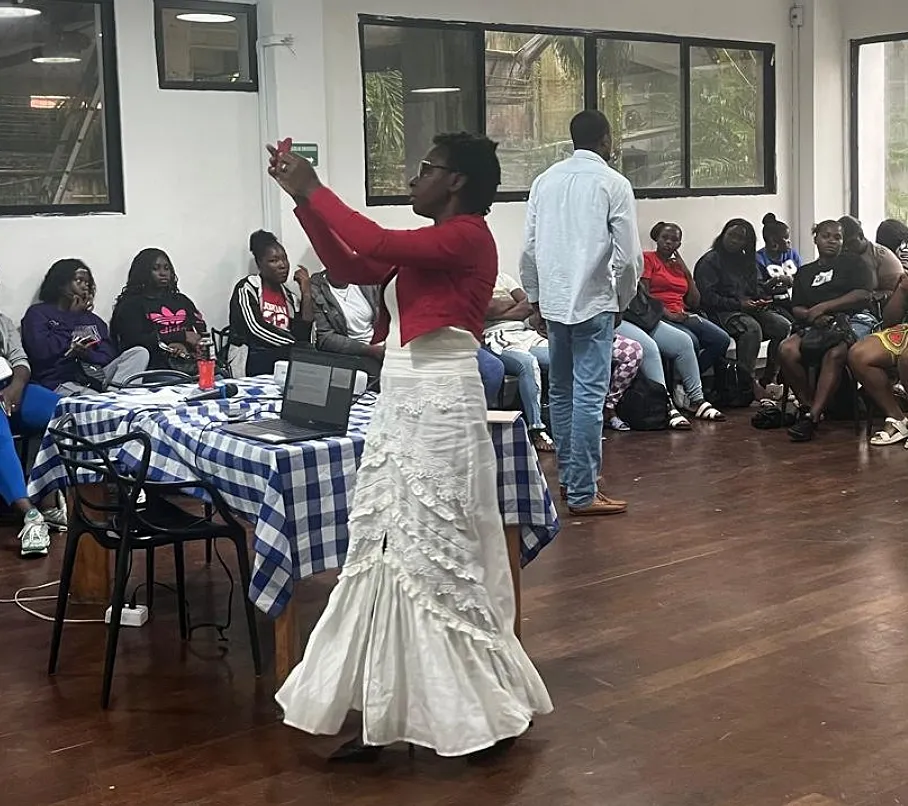
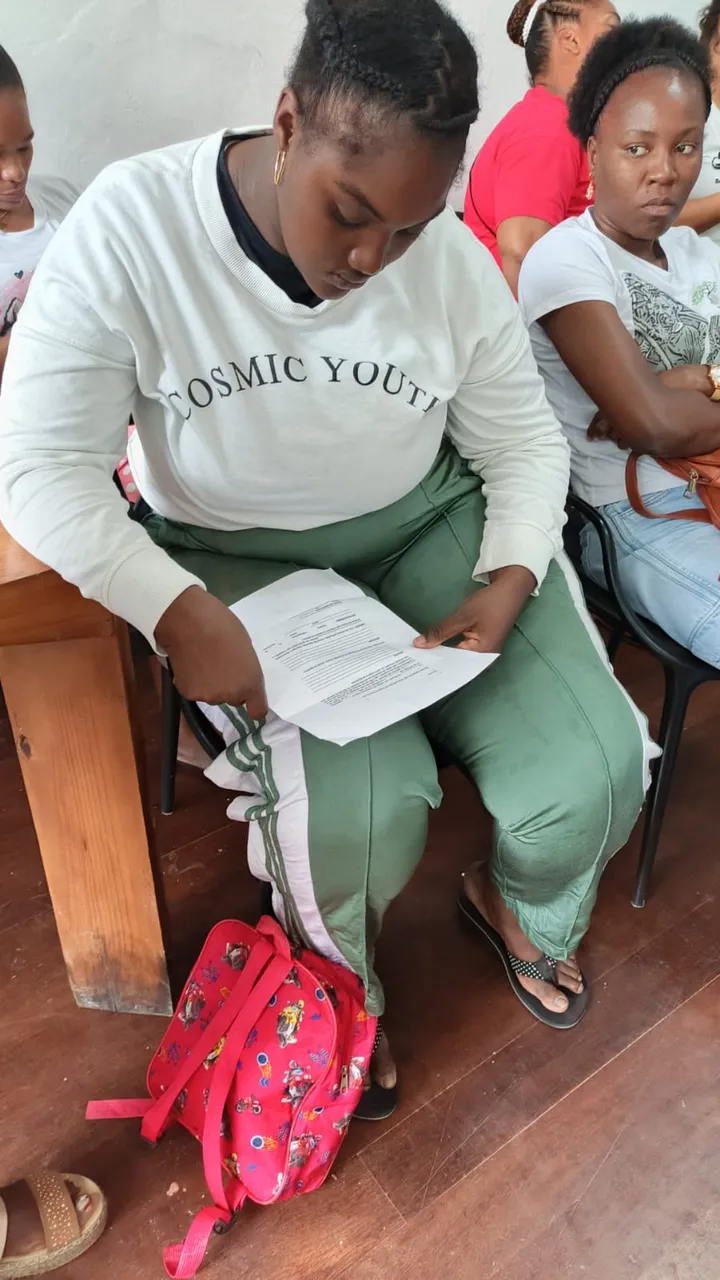
This is the educational pillar. Through intensive workshops (such as the one on November 15 and 16), the Community Managers receive professional training in Constitutional Law, Law 1257 of 2008, and Community Service Pathways. It is not just theory; it is about equipping them with “tools for life” and the defense of their territory.
Psychosocial and Gender-Based Support
Under the leadership of social work professionals, this component ensures that support is not only legal but also humane. It focuses on emotional support, preventing revictimization, and strengthening the self-esteem of both the advocate and the victim, understanding that mental health is the first step toward seeking justice.
Coordination and Advocacy
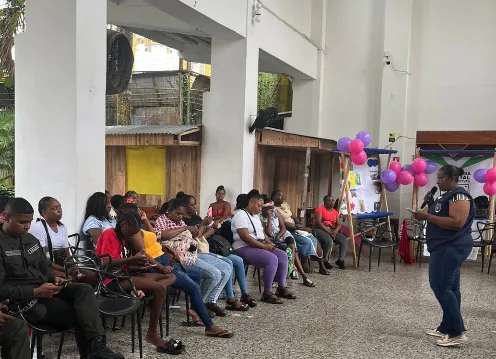
This is the “Bridge” itself. This component ensures that institutions (Prosecutor’s Office, Health Insurance Companies, Police Stations) recognize the Network. It includes the Institutional Fair and dialogue sessions, where the State’s services are brought directly to the community, breaking down the barriers of distance and bureaucracy.
Technical and Systematization
To give the project a voice with the Ministry and the State, we use technology. This component includes the design of the GMB Format and the use of digital tools so that each case handled in rural areas is mapped and recorded. In this way, we cease to be “invisible” and begin to have real data on the needs of rural women.
Impact
- Legal Impact: Justice Without Distance
The most immediate result is the elimination of access barriers. Having a case manager who knows how to file a legal action or complaint reduces the institutional response time. The impact is seeing rural communities no longer view justice as something distant, but as a tool they can use from their homes.
Health Impact: Guaranteed Well-being
Through the alliance with Health Promoting Entities (EPS) and the Health Secretariat, we ensured that medical and psychological care pathways were activated as a priority. The impact is timely healthcare, especially in the form of emergency kits for victims of sexual violence and access to specialized appointments without the usual administrative hurdles.
Social Impact: Transformative Leadership
This project changes the narrative surrounding rural women in Buenaventura. From being perceived only as victims, they become human rights authorities in their communities. The social impact is the strengthening of the community fabric and the creation of a support network that will last long beyond the project’s duration.
- Territorial Impact: Data for Public Policy
By systematizing each barrier encountered, the project generates a unique needs map. The long-term impact is to provide the Ministry of Justice and the Mayor’s Office with precise information so they can design better public policies based on the realities of women’s lives in the Buenaventura river basins.